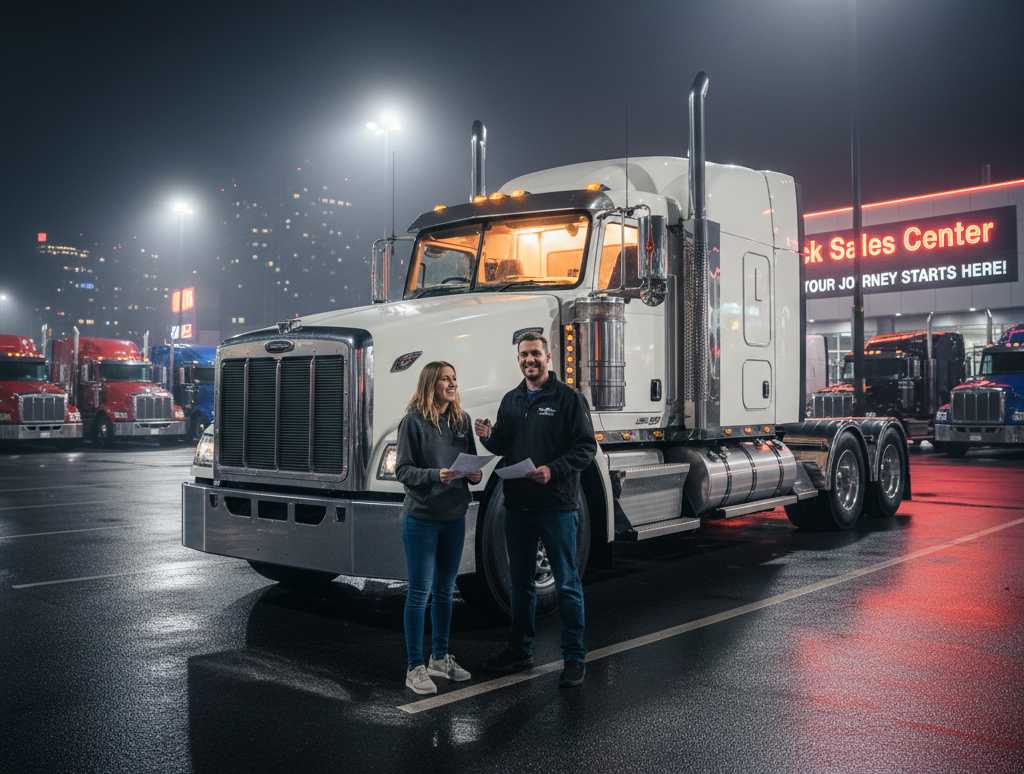
In the world of business, efficiency, reliability, and smart investments determine success. Whether you’re running a construction company, logistics service, or agricultural enterprise, one of the most essential assets you can own is a truck. A truck for sale represents more than just a vehicle—it’s a business tool that drives productivity, strengthens logistics, and enhances profitability.
This article explores how finding the right truck can transform your business operations, what to consider before purchasing, and why investing in a truck is one of the smartest decisions for entrepreneurs and business owners alike.
The Importance of Trucks in Modern Business
Trucks are the backbone of countless industries. They move goods, equipment, and raw materials efficiently—connecting businesses to their customers and suppliers. Without reliable trucks, many operations would slow down or even stop.
From construction and mining to logistics and agriculture, the right truck can mean the difference between growth and stagnation. Businesses that invest in durable, efficient trucks often enjoy improved workflow, reduced costs, and better control over their operations.
How a Truck Supports Business Growth
A truck is not just a transportation tool—it’s a key business asset. Here’s how it contributes to sustainable business growth:
- Operational Efficiency:
Owning a truck allows for faster deliveries, controlled logistics, and less reliance on third-party transport providers. - Cost Management:
While buying a truck may seem like a big investment, it eliminates recurring rental costs and provides long-term value. - Brand Reliability:
Businesses with their own trucks ensure timely deliveries, boosting customer trust and satisfaction. - Asset Ownership:
A truck can be considered a tangible asset that adds to your company’s total value and borrowing capacity. - Flexibility:
You can adapt your truck’s use to multiple needs—transporting goods, machinery, or even personnel depending on the project.
Choosing the Right Truck for Your Business
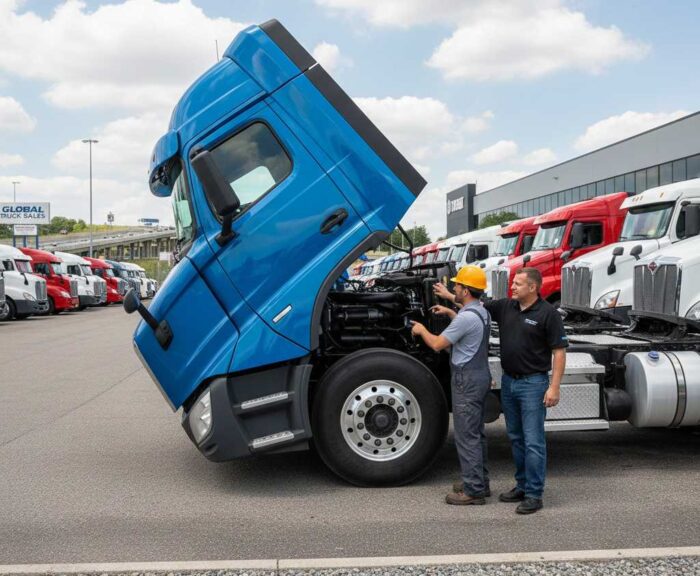
Buying the right truck is about matching the vehicle’s capabilities with your business requirements. Each business has unique demands, and choosing wisely ensures maximum return on investment.
Factors to Consider Before Purchase
- Purpose and Payload:
Determine what you’ll be hauling most frequently. Heavy loads require strong engines and larger chassis. - Fuel Efficiency:
Rising fuel costs make efficiency essential. Modern diesel engines can reduce overall operating expenses. - Maintenance and Durability:
Look for a truck that’s known for reliability and easy maintenance. Frequent repairs can eat into profits. - Safety and Technology:
Advanced safety features and technology like GPS tracking can make your operations safer and more efficient. - Budget and Financing Options:
Compare prices, financing, and ownership costs before making a final decision. The cheapest option isn’t always the best.
Truck for Sale: Matching Trucks to Business Types
Different businesses need different types of trucks. Understanding which kind suits your operations ensures efficiency and durability.
Construction Businesses
Heavy-duty trucks are essential in construction for transporting gravel, concrete, and materials. Dump trucks and tipper trucks are most common in this field due to their ability to handle rough terrains and heavy loads.
Logistics and Freight
For companies that deliver goods, light- to medium-duty trucks with excellent mileage and large cargo space are ideal. They reduce travel time and boost delivery consistency.
Agriculture
Farmers and agricultural suppliers benefit from trucks capable of carrying large quantities of produce or equipment across challenging rural roads.
Manufacturing
Trucks in the manufacturing industry often move raw materials between factories or distribute finished products to retailers. Flatbed and box trucks serve these needs perfectly.
The Business Benefits of Owning a Truck
Investing in a truck offers multiple long-term advantages for your business operations:
- Reduced Outsourcing Costs:
Managing your own logistics cuts out third-party expenses. - Better Scheduling:
You can plan deliveries and pickups based on your timeline—not a supplier’s availability. - Tax Advantages:
Owning a truck may come with potential tax deductions on fuel, maintenance, and depreciation. - Improved Customer Satisfaction:
Faster, reliable service builds stronger client relationships. - Long-Term Asset Value:
A truck, if properly maintained, holds resale value and contributes to your balance sheet strength.
Truck Maintenance and Efficiency Tips
After purchasing a truck, proper maintenance ensures it continues serving your business for years. Neglecting upkeep can lead to costly repairs and downtime.
Smart Maintenance Practices
- Regular Servicing: Stick to a maintenance schedule for oil changes, tire checks, and brake inspections.
- Driver Training: Educate drivers on fuel-efficient techniques and safe handling practices.
- Track Usage: Use telematics and GPS tools to monitor performance and prevent misuse.
- Invest in Quality Parts: Always use manufacturer-approved or premium replacement parts.
Eco-Friendly Business Practices with Trucks
Modern trucks are increasingly designed with the environment in mind. Fuel-efficient engines, hybrid options, and reduced emissions make today’s models a great fit for eco-conscious businesses.
By investing in greener technologies, companies not only save on fuel but also build a reputation for sustainability—something consumers value more than ever.
The Role of Technology in Trucking Businesses
Technology has revolutionized how trucks are managed and operated. Businesses now use digital platforms for:
- Fleet management: Real-time vehicle tracking and maintenance alerts.
- Route optimization: Reducing fuel use and improving delivery times.
- Safety monitoring: Detecting fatigue, speeding, and vehicle wear.
- Data insights: Measuring performance and productivity.
Adopting these tools ensures that your truck investment delivers maximum efficiency and long-term success.
Truck Ownership vs. Leasing: Which is Better for Business?
Deciding whether to buy or lease a truck depends on your long-term goals.
- Owning gives you full control, no mileage restrictions, and long-term value.
- Leasing offers flexibility and lower initial costs but limits customization and ownership benefits.
For growing businesses, ownership usually proves more cost-effective in the long run.
Truck Safety and Compliance
Safety is paramount in business operations. Always ensure your trucks comply with local regulations on:
- Load limits and road permits
- Vehicle maintenance logs
- Driver qualifications and training
- Insurance coverage
A safe, compliant operation protects both your employees and your brand reputation.
Boosting Your Business Image with Quality Trucks
Your trucks are rolling advertisements for your brand. A clean, well-maintained fleet sends a message of professionalism and reliability to your customers.
Investing in decals, proper branding, and consistent maintenance enhances brand recognition while reinforcing trust.
Where to Find the Best Trucks for Your Business
When it’s time to find a truck for sale, focus on trusted sellers that provide transparent information, warranties, and after-sale support.
If you live in Perth and are looking for a truck for sale, you can check out Western Truck Sales. They offer a range of options that suit business needs and budgets, helping you find the perfect match for your operations.
The Economic Impact of Truck Ownership on Small Businesses
Small businesses benefit significantly from owning a truck. It opens doors to:
- New business opportunities, such as offering delivery services or subcontracting logistics.
- Improved profit margins, since you control logistics costs.
- Enhanced independence, giving you flexibility over schedules and delivery terms.
Future Trends in Business Trucking
The trucking industry is rapidly evolving. Some upcoming trends include:
- Electric and hybrid trucks that reduce fuel costs and emissions.
- Automation and driver-assist systems for improved safety.
- Smart logistics software for seamless supply chain integration.
Staying updated on these trends ensures your business remains competitive and future-ready.
Learn More About Trucking and Business Logistics
For more insight into how trucks influence the global economy and logistics, visit Wikipedia’s Truck Transport page. It offers detailed information about truck types, logistics, and industry history.
A truck for sale isn’t just an opportunity—it’s a powerful step toward business expansion and stability. Owning the right truck improves efficiency, lowers operational costs, and strengthens customer relationships.
From choosing the right model to maintaining it well, every decision counts toward building a more reliable and profitable enterprise. If you’re ready to take your business to the next level, start exploring your options today and invest in a truck that drives your success forward.